
Attribute definitions · 3 active · demo data
| Attribute | Type | Asset scope | Coverage | Status |
|---|---|---|---|---|
| hook_type | Enum | Video | 98% | Complete |
| text_density | Number | Image · Video | 94% | Processing |
| voiceover_present | Boolean | Video | 100% | Complete |
AI creative element intelligence
Watch Lemon read the creative itself: who appears, what happens, how the product is framed, and how the message lands. Then see which choices are tied to better ROAS, CPI, CTR, or conversion.
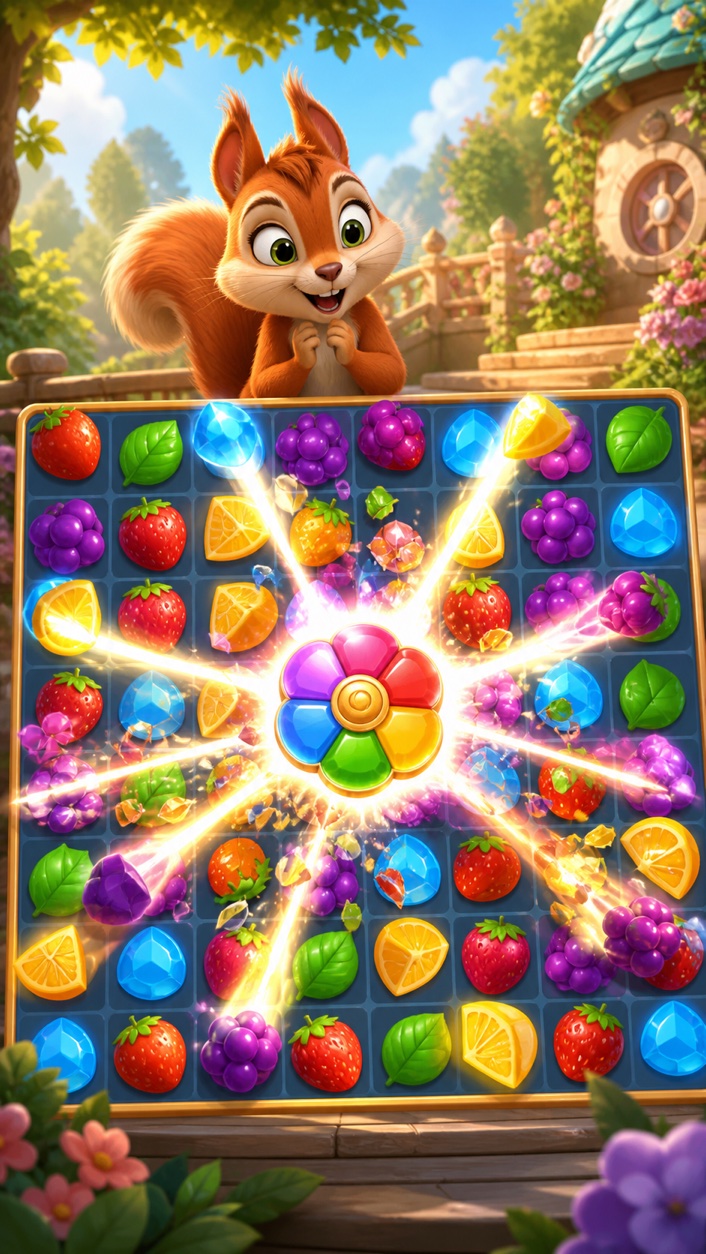 MECHANIC · CASCADECHARACTER · MASCOTFRAMING · BOARD DOMINANT
How it works
Ask about the hook, character, setting, offer, visual style, or any creative choice your team cares about.
Lemon reads matching images, videos, and ad copy across your library. You do not have to label them by hand.
Compare each creative choice against ROAS, conversion value, CPI, CTR, or another metric you use to make decisions.
Your creative language
Track the hooks, settings, characters, offers, and visual styles your team already talks about. Add a new idea once and Lemon finds it across the library.
Attribute definitions · 3 active · demo data
| Attribute | Type | Asset scope | Coverage | Status |
|---|---|---|---|---|
| hook_type | Enum | Video | 98% | Complete |
| text_density | Number | Image · Video | 94% | Processing |
| voiceover_present | Boolean | Video | 100% | Complete |
From pattern to creative
Go straight from a winning pattern to the creatives that use it. See the examples, the metric, and the campaign context without rebuilding your filters. Every result carries the number of creatives behind it and the range the sample supports, because the sample size in an attribute comparison is the number of creatives, not the number of impressions. Before a tag enters that comparison, the creative tagging integrity protocol checks population, failed fields, coverage, and label version.
| Selected value | ROAS · D7 | Assets | Compared with |
|---|---|---|---|
| UGC hook, first 3s | 148% | 214 | All other values |
| Creative · demo data | Network | ROAS D7 |
|---|---|---|
| ugc_hook_reveal_v3.mp4 | AppLovin | 152% |
| gameplay_boss_30s.mp4 | AppLovin | 95% |
| static_carousel_04.png | Meta | 143% |
| playable_tutorial_v2 | Unity | 114% |
Turn every winning pattern into your next brief.
Send the best-performing hook, format, or visual style straight into Creative Lab. Make new variants from the ads that already work, then choose what goes live.
FAQ
Creative attribute analysis measures how recurring elements inside ads relate to performance. Instead of comparing only whole creatives, Lemon lets teams examine attributes such as hook type, format, subject, pacing, voiceover, or text density against the metric and attribution window they select.
No. You define the attribute and Lemon applies it across matching assets with AI. Manual attributes are also supported when a team needs a controlled taxonomy or wants to correct a value.
Attributes can be applied to image, video, and text assets. A definition can produce an enum, number, or boolean value, which supports both categorical questions and measurable properties.
Yes. Every attribute value can be opened to inspect example assets under the same app, network, campaign, country, platform, date, and performance filters used by the analysis.
The analysis identifies the elements associated with stronger results. Those findings can then become a generation brief or reference set in Creative Lab, keeping the creative iteration grounded in observed performance.
Bring your hardest growth question
Bring one app and the decision in front of you. We’ll show you what Lemon finds.